
Industry Insights | LED Display Technology | Architectural Media Facades
The architectural and entertainment lighting industry is evolving from conventional illumination toward dynamic multimedia experiences. Flexible LED mesh screens, transparent LED displays and programmable digital control systems are creating new opportunities for buildings, live events, immersive installations and outdoor advertising.
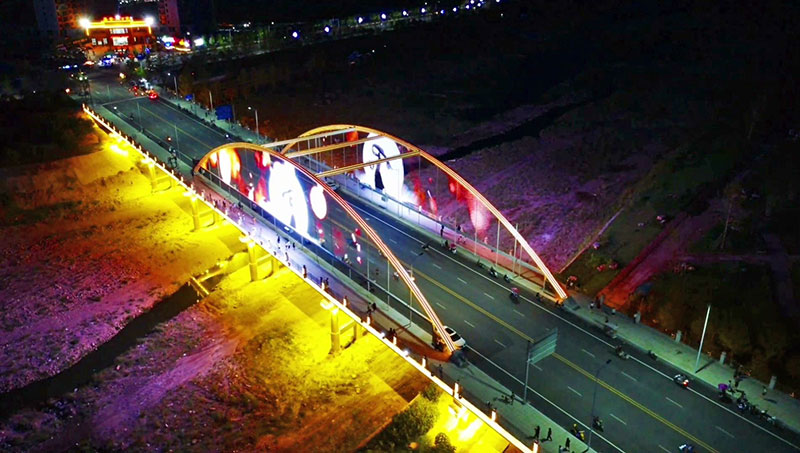
Originally published in 2023, this article explored emerging lighting technologies and the future of architectural and entertainment lighting. This updated edition examines how flexible LED display technology is expanding the possibilities of architectural design and multimedia entertainment.
Key Technology Directions
- Flexible LED mesh screens for large-scale architectural media facades.
- Lightweight and foldable LED video curtains for concerts and touring events.
- Transparent and curved LED displays for immersive environments.
- Drone-mounted LED mesh screens for aerial advertising.
- Intelligent display control and energy-conscious system design.
1. From Traditional Lighting to Digital Media Displays
Architectural lighting has traditionally focused on illuminating building structures, highlighting architectural details and creating decorative nighttime environments.
The development of programmable LED technology has expanded these capabilities beyond static illumination. Buildings and entertainment spaces can now incorporate dynamic images, animations, graphics and video content into their physical structures.
Unlike conventional decorative fixtures, pixel-based LED display systems reproduce multimedia content through individually controlled RGB pixels or pixel groups. This creates a closer connection between architectural design, digital media and entertainment technology.
2. The Rise of Flexible LED Mesh Screens
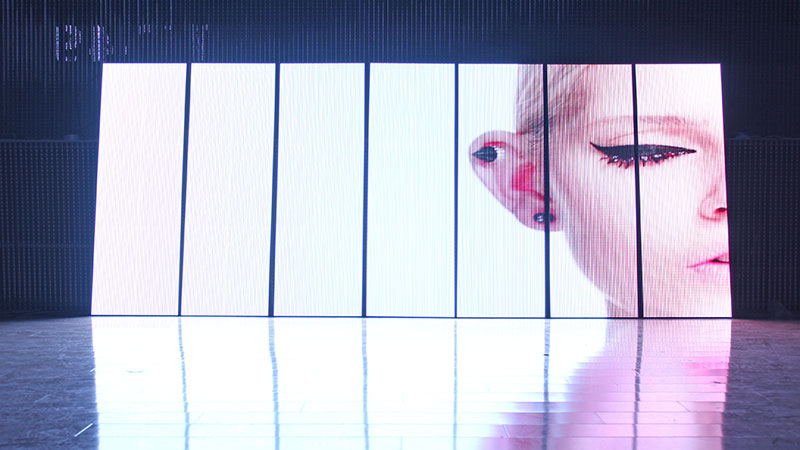
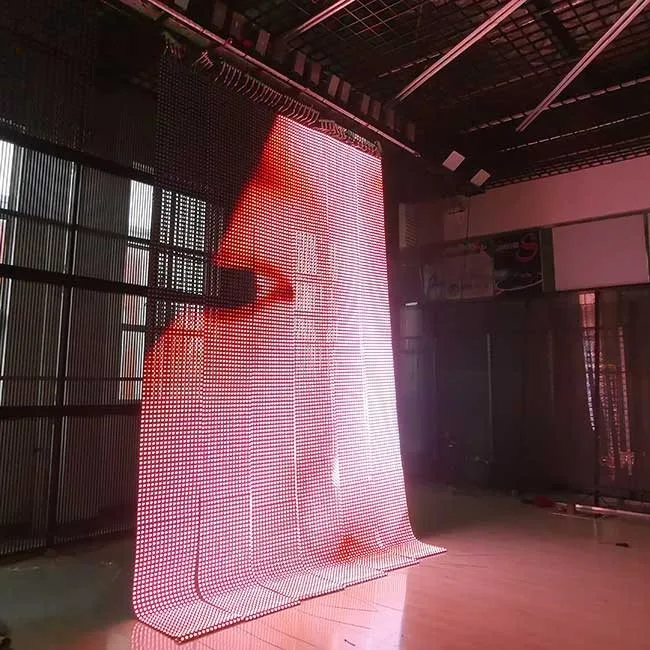
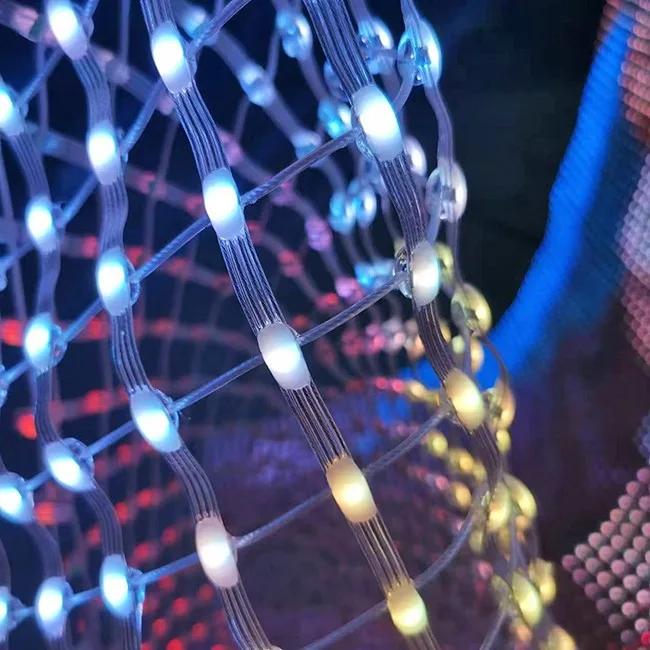
A flexible LED mesh screen is an open-grid digital display consisting of LED pixels arranged across a flexible supporting structure. Depending on its construction, the mesh can be rolled, folded, suspended or adapted to curved installation surfaces.
Compared with conventional solid LED cabinets, suitable flexible mesh configurations can provide lower structural weight, greater transparency and improved airflow through the display surface.
These characteristics make flexible LED mesh screens particularly attractive for architectural media facades, suspended stage backdrops, large-scale temporary displays and creative multimedia installations.
Pixel pitch, brightness, transparency, screen dimensions and installation requirements determine the most suitable mesh configuration for each project.
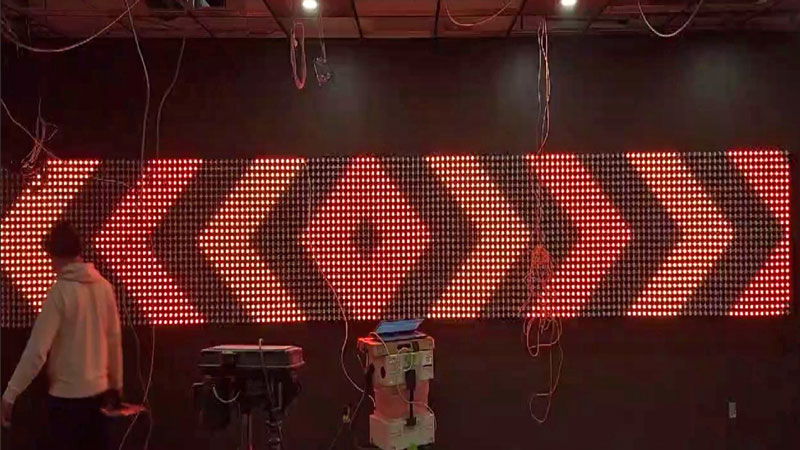
3. Architectural Media Facades and Building Displays
Architectural media facades transform building elevations into programmable digital surfaces capable of displaying visual art, animations, branding and multimedia content.
Open-grid LED mesh displays allow designers to integrate digital media into glass buildings, architectural frameworks and large outdoor structures while maintaining a degree of visual transparency.
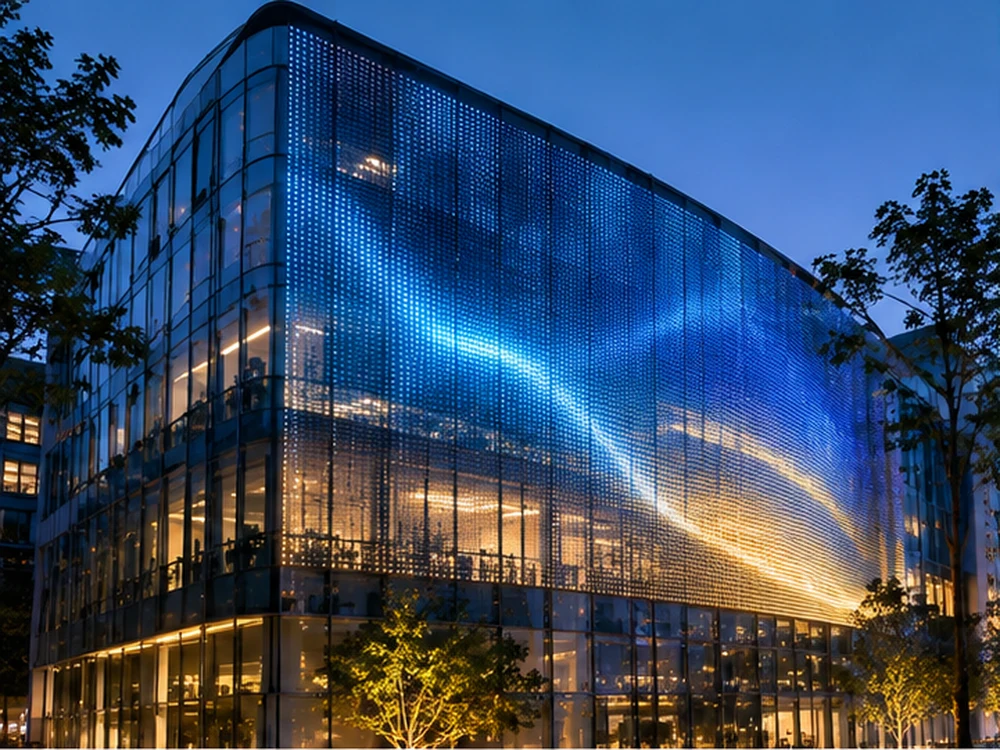
For example, a P25 soft LED mesh screen offers a 25 mm pixel pitch and an open display structure suitable for a variety of architectural and entertainment applications.
Larger outdoor projects should also consider structural loading, wind conditions, environmental protection, maintenance access and the intended viewing distance. The supporting structure must be designed according to project-specific engineering requirements.
4. Flexible LED Video Curtains for Stage and Entertainment
Concerts, festivals, touring productions, corporate events and theatrical performances increasingly combine video displays, architectural lighting and digital content within coordinated stage designs.
Flexible LED video curtains provide an alternative to conventional rigid display backdrops where lightweight construction, portability and creative installation arrangements are important.
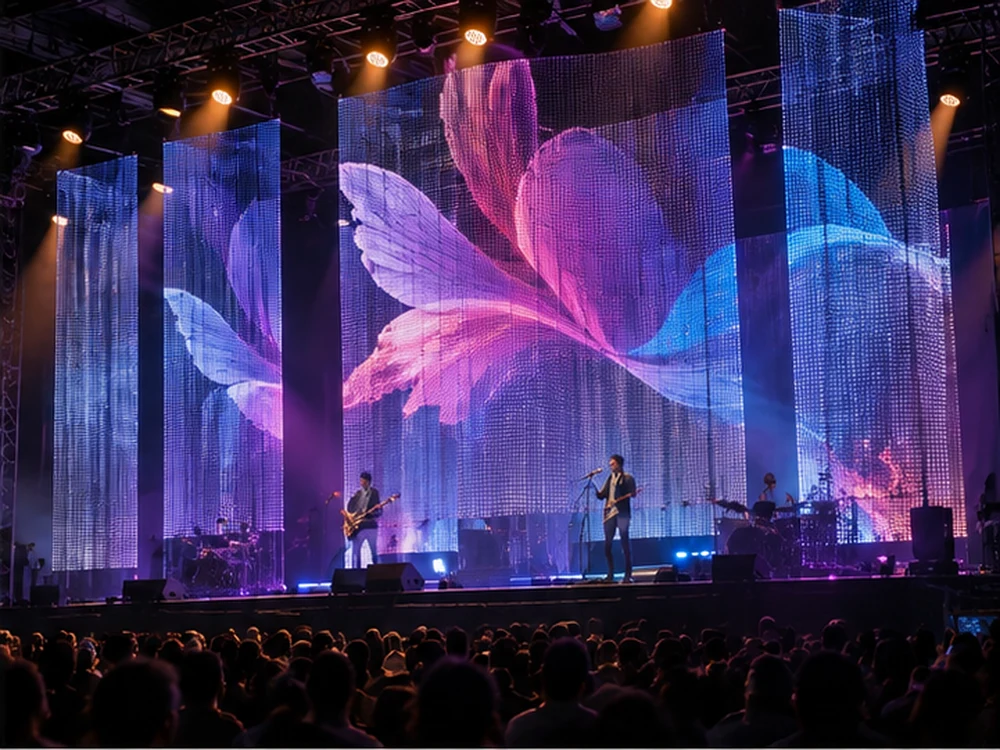
Modular curtain sections can be arranged vertically, horizontally or in layered configurations, depending on the fixture construction and supporting structure.
The P31.25 LED mesh curtain is one example of a configurable mesh display designed for applications including stage entertainment, weddings, exhibitions and architectural installations.
With compatible multimedia controllers, LED mesh curtains can reproduce programmed animations, graphics and video content coordinated with other stage elements.
5. Immersive Experiences and Creative LED Mesh Installations
Immersive multimedia installations combine digital content with architectural space, lighting, sound and physical structures. These environments are used in museums, art exhibitions, theme parks, shopping malls and experiential entertainment venues.
Flexible LED mesh technology allows display designers to explore curved, cylindrical, suspended and irregular visual surfaces that may be difficult to achieve with conventional flat LED cabinets.
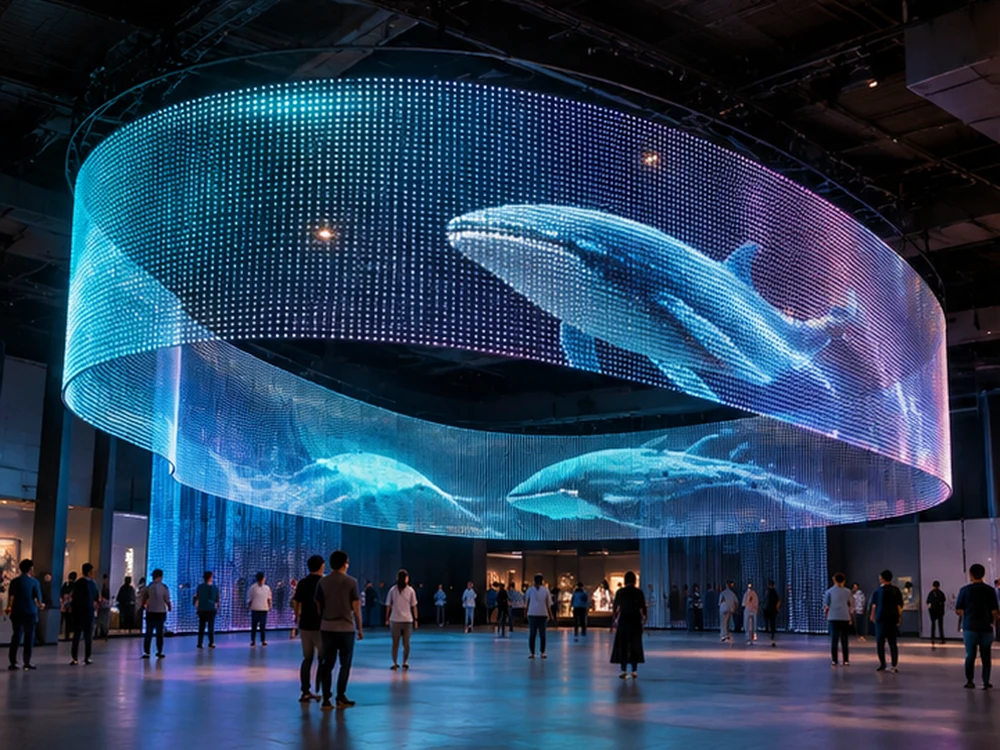
Flexible fabric-based products such as LED Magic Mesh Fabric offer additional possibilities for creative shapes, spatial installations and customized display structures.
For glass windows, retail interiors and commercial spaces where visibility through the display is important, flexible transparent LED displays provide another approach to integrating digital content with the surrounding architecture.
Projection mapping, digital LED displays and programmable pixel lighting can also be combined within the same environment. Technology selection depends on ambient light, viewing distance, surface geometry and the desired visual experience.
6. Drone Flying LED Screens and Aerial Advertising
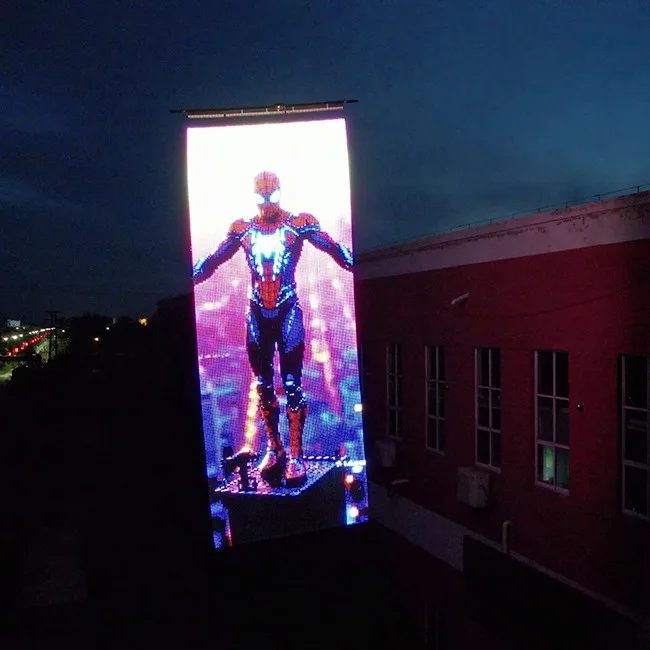
One emerging application of lightweight flexible LED mesh technology is the drone-mounted flying LED screen.
Unlike conventional drone light shows that form patterns using multiple illuminated aircraft, a flying LED screen presents graphics, animations and video content across a suspended physical display surface.
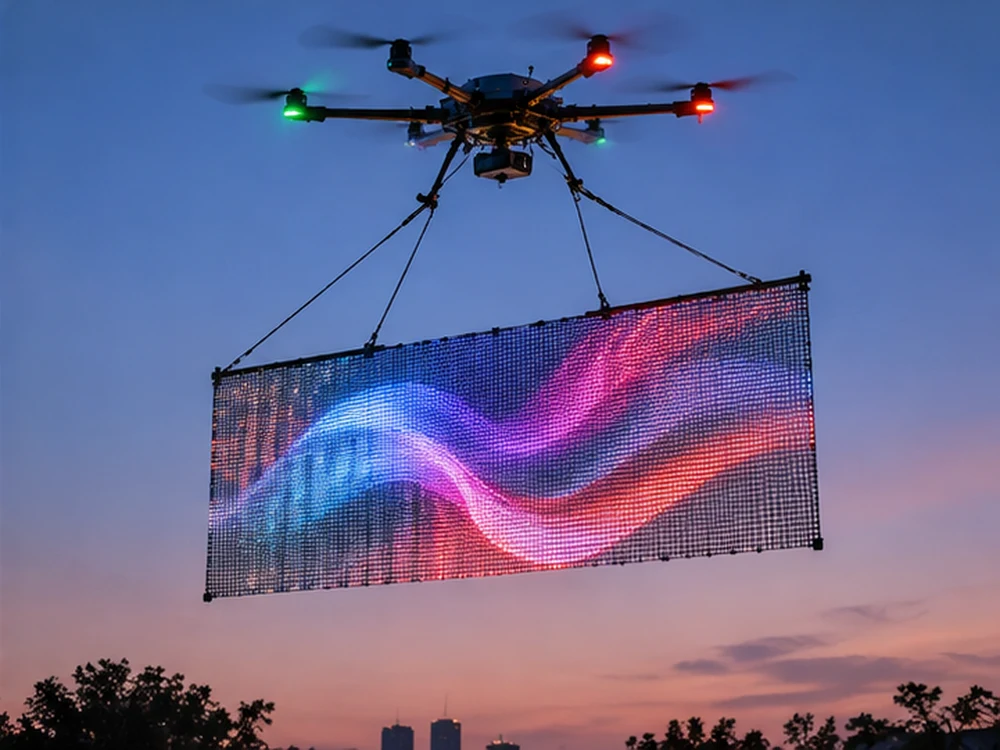
The P25 drone flying LED screen combines a lightweight flexible mesh structure, an independent display power system and digital video playback technology.
Potential applications include aerial advertising, brand promotions, outdoor festivals, tourism attractions, opening ceremonies and night shows.
Aerial display projects require careful consideration of total suspended weight, drone payload capacity, aerodynamic loading, battery endurance, suspension design and applicable aviation regulations. Display battery runtime should not be confused with the aircraft's actual flight endurance.
The four LED mesh application concept images in this article are AI-assisted illustrations and do not represent completed installation projects or approved flight configurations.
7. Intelligent LED Display Control and Pixel Mapping
As architectural and entertainment displays become larger and more complex, intelligent control systems play an increasingly important role in content management and system integration.
Flexible LED mesh installations can use compatible synchronous or asynchronous LED display controllers, including selected NovaStar control systems.
Synchronous control is suitable for live video sources, stage performances and real-time multimedia presentations. Asynchronous control supports stored media playback, programmed schedules and content updates without a continuous live video source.
Pixel mapping assigns digital content to the physical positions of LED pixels. This is particularly important for curved, irregular and multi-section LED mesh installations.
DMX512, Art-Net and SPI-based control systems may also be used with compatible architectural pixel lighting products. These lighting protocols should not be assumed to be interchangeable with dedicated LED video display control systems.
AI-Assisted Content and Interactive Experiences
Artificial intelligence and interactive multimedia software offer potential opportunities for automated content creation, responsive visual effects and sensor-based experiences.
Generative animations, sound-responsive visuals and interactive artwork can be presented on compatible LED mesh display systems when supported by the selected media server, sensors and control infrastructure.
8. Sustainable and Lightweight LED Display Design
Energy efficiency and long-term maintainability remain important considerations in architectural and entertainment display design.
Open-grid LED mesh structures can offer practical advantages in applications where structural weight, airflow, transportation and installation flexibility are significant engineering considerations.
However, actual energy consumption depends on LED efficiency, pixel density, brightness settings, displayed content and operating schedules. A flexible structure alone does not guarantee lower electrical consumption.
Outdoor installations should also consider light pollution, appropriate nighttime brightness, environmental protection and long-term maintenance access.
9. Future Trends in Architectural and Entertainment Displays
Looking toward 2027 and beyond, several technology directions are worth monitoring across the architectural display and entertainment industries:
- Greater integration of flexible LED mesh displays into architectural structures.
- Lightweight and modular LED video curtains for reusable event installations.
- Transparent digital displays that preserve architectural visibility.
- Curved and immersive multimedia environments using flexible display surfaces.
- Specialized lightweight aerial LED display systems for drone-based advertising.
- AI-assisted visual content and intelligent multimedia management.
- Energy-conscious display design, adaptive brightness and operating schedules.
These developments represent potential technology opportunities rather than guaranteed market forecasts. Successful installations will continue to depend on appropriate product selection, structural engineering, environmental considerations and reliable system integration.
Conclusion
The boundaries between architectural lighting, digital displays and entertainment technology are becoming increasingly interconnected.
Flexible LED mesh screens provide a versatile platform for transforming buildings, concert stages, exhibition spaces and even aerial environments into dynamic multimedia surfaces.
As display technology continues to evolve, lightweight construction, transparency, customized screen geometry and intelligent content management will remain important considerations for creative LED display projects.
Explore Flexible LED Mesh Display Solutions
RoyalADTek is a China-based manufacturer specializing in flexible LED mesh screens, LED video curtains, drone flying LED screens and transparent LED displays for architectural media facades, live entertainment and creative multimedia installations.
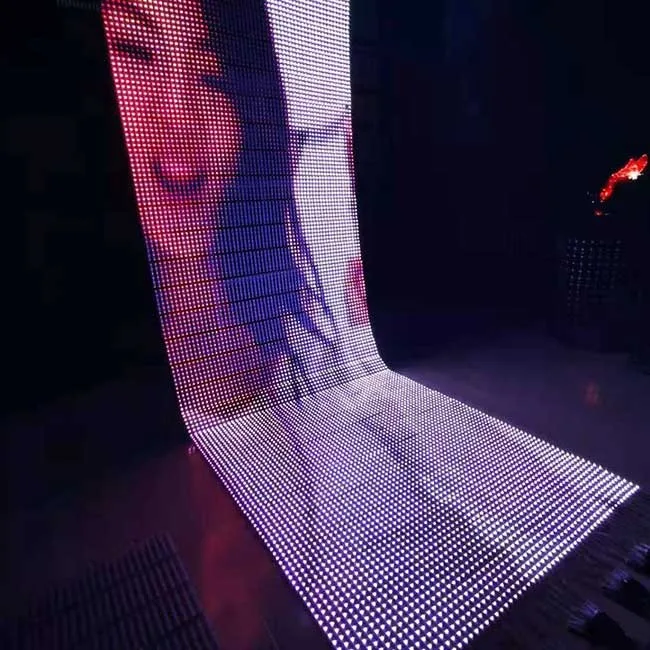
Explore our complete range of flexible LED mesh display solutions or contact RoyalADTek with your project dimensions, installation environment and multimedia display requirements.
Email: info@royaladtek.com